Understanding the Role of Bees in Our Environment
Bees play a crucial role in maintaining the balance of our ecosystems. Their work as pollinators supports the growth of plants, which serve as food and shelter for various animals. Without bees, many plant species would struggle to reproduce, leading to a decline in biodiversity. This can disrupt food chains and affect other organisms. Understanding how bee populations influence ecosystems helps us appreciate the importance of their conservation.
The Impact of Sustainable Beekeeping Practices
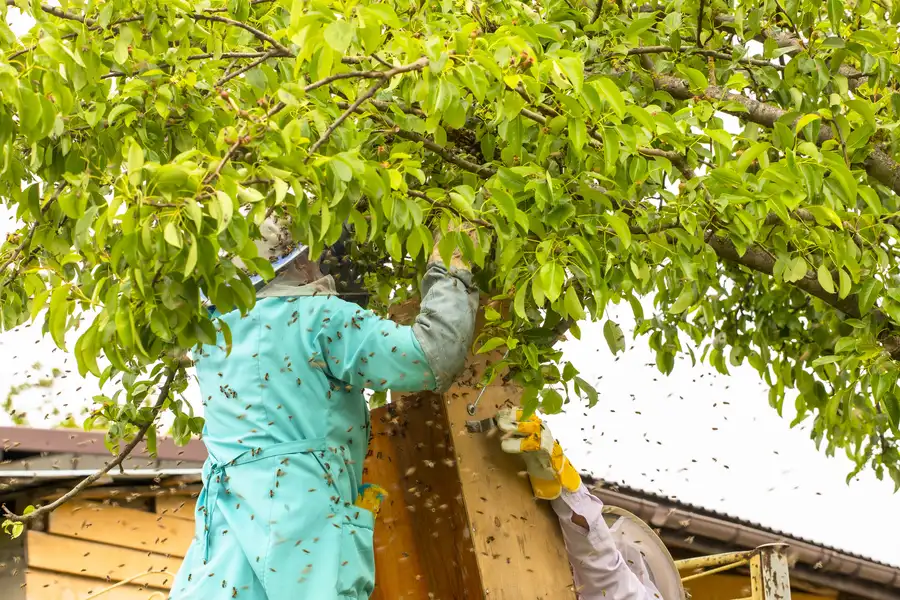
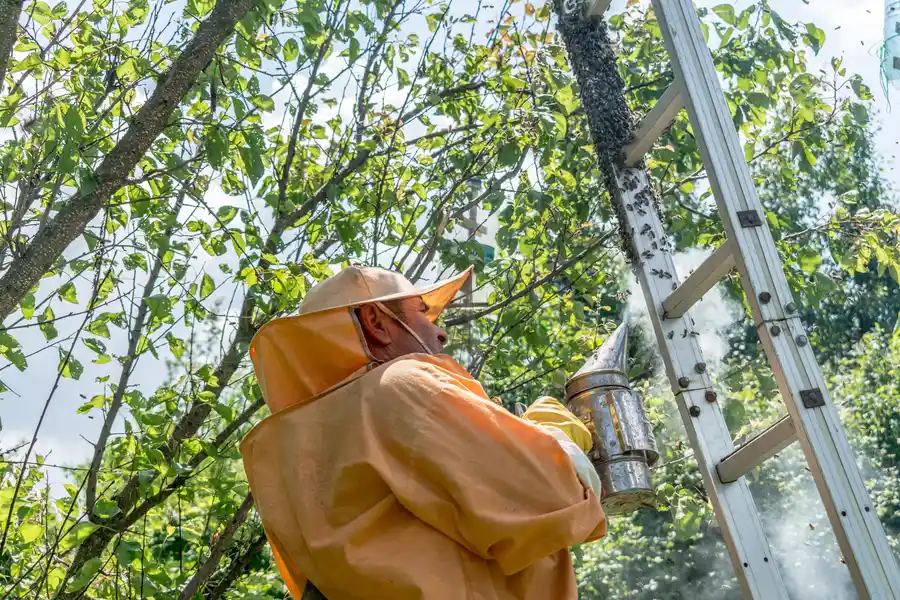
Sustainable practices in beekeeping are essential for local ecosystem stability. Bee collection is a practice that ensures healthy hives while providing honey and other products. By focusing on sustainable methods, beekeepers can support thriving bee populations. They do this by maintaining diverse floral resources and avoiding harmful chemicals. These efforts help sustain the bees’ essential pollination work, supporting plant diversity.
Bee Collection and Its Benefits
Implementing bee collection positively impacts both the environment and humans. It provides natural resources like honey and beeswax without harming bee populations. The process encourages awareness about bees’ roles and promotes conservation efforts. By engaging in this practice, communities can enjoy benefits such as increased crop yields and robust natural habitats. These improvements lead to better ecosystem services overall.
Challenges Faced by Bees Today
Despite their importance, bees face numerous challenges. Habitat loss due to urban development limits their access to diverse food sources. Pesticides used in agriculture pose significant threats, potentially causing colony collapse. Climate change also alters blooming cycles, affecting bee foraging patterns. Addressing these challenges is critical to ensuring their survival and continued contribution to ecological balance.
Solutions for Supporting Bee Populations
There are several ways individuals and communities can support bee health:
- Plant native flowers that bloom throughout different seasons
- Avoid using pesticides in gardens and landscapes
- Create bee-friendly spaces with water sources and shelter options
- Support local beekeepers who use sustainable practices
These actions collectively strengthen bee resilience against external pressures, helping maintain ecosystem harmony.
Implementing Best Practices in Beekeeping
Adopting best practices in beekeeping enhances hive productivity and health. Firstly, regular hive inspections ensure early detection of diseases or pests. Secondly, providing a variety of flowering plants improves nutrition for bees. Lastly, collaborating with other beekeepers fosters knowledge sharing on effective techniques. Implementing these strategies leads to stronger colonies capable of efficient pollination.
Economic Considerations of Beekeeping
Investing in beekeeping offers economic advantages alongside environmental benefits. Beekeepers can sell products like honey, pollen, and wax, generating income while promoting sustainability. Additionally, improved crop pollination increases agricultural output, benefitting farmers economically. These factors make beekeeping an attractive venture for those interested in contributing positively to their environment.
Engage With Our Community’s Efforts
If you want to make a difference in your community’s ecosystem, consider getting involved with local beekeeping initiatives. You can start by planting bee-friendly gardens or attending workshops organized by BNB Removal Miami. Supporting efforts in Miami, FL can enhance our shared environment’s stability. Call us at (786) 788-0613 to learn more about our programs and how you can contribute effectively today.