Exploring How Bees Influence the Growth of Plants
Bees are vital to our ecosystem, playing a crucial role in the process of pollination. This natural activity leads to significant growth and reproduction of flowering plants. By transferring pollen from one flower to another, bees aid in plant reproduction, ensuring diverse plant species thrive. Understanding the dynamics between bee activity and plant growth can help enhance both agricultural productivity and biodiversity. Through this article, we delve into how these industrious insects contribute to flourishing vegetation.
The Process of Pollination
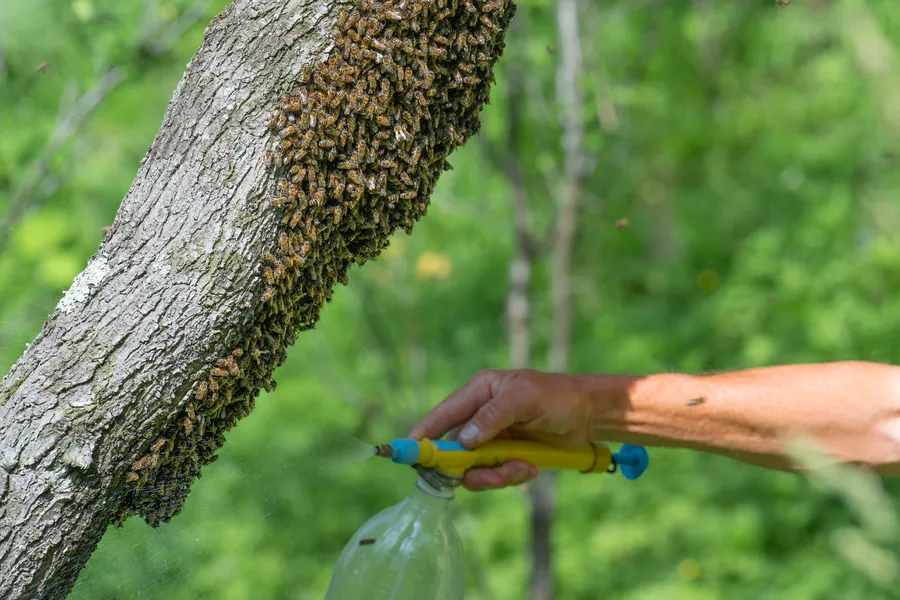
Pollination is the movement of pollen from the male part of a flower to the female part. It results in fertilization and seed production. When bees collect nectar from flowers, they inadvertently transfer pollen grains stuck to their bodies to other blooms. This simple act boosts plant fertility and diversity immensely. Without this natural phenomenon, many plants would fail to reproduce effectively.
Role of Bee Collection in Ecosystems
Bee collection activities are not just about gathering nectar but also include pollen collection. These actions are critical for maintaining healthy ecosystems. As bees move from flower to flower, they ensure the genetic diversity necessary for plants’ survival. The bee collection of pollen ensures various species within an ecosystem thrive together, creating a balanced environment beneficial for all living organisms.
Importance of Bee Collection for Crop Production
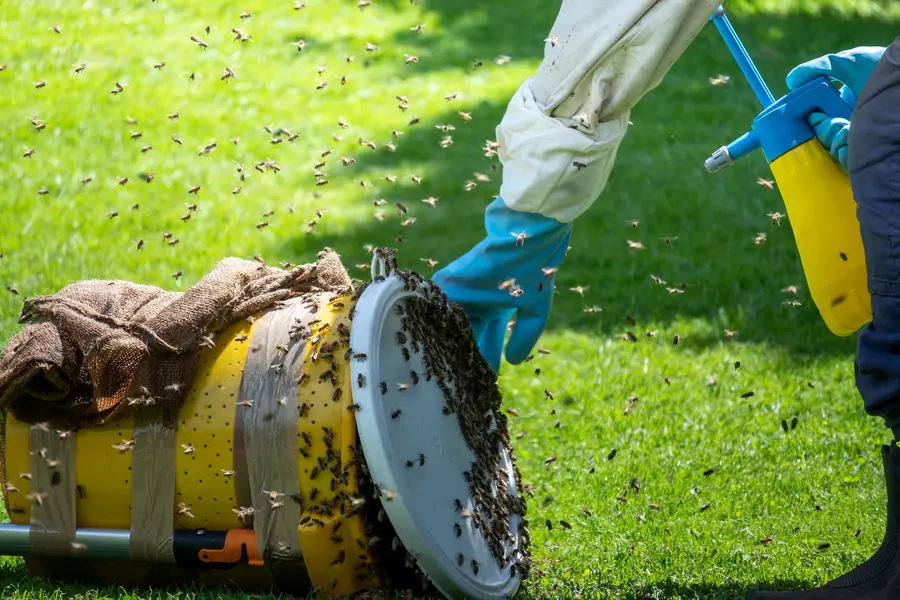
Agricultural sectors benefit significantly from bee collection services. Many crops rely on bees for pollination to increase yield quality and quantity. For instance, fruits like apples and strawberries see enhanced growth when bees actively pollinate them. Farmers often encourage bee activity by planting wildflowers around crop fields, which attracts more bees and leads to better harvests.
Challenges Faced by Bees
Despite their importance, bees face numerous challenges today. Factors like habitat loss, pesticide exposure, and climate change pose threats to their populations. These issues lead to fewer opportunities for bees to engage in pollination activities. Reduced bee numbers can have severe consequences for global food supply and biodiversity as plants struggle to reproduce without adequate pollination.
Encouraging Bee-Friendly Practices
You can support bees by implementing bee-friendly practices in gardens and farms. Planting native wildflowers offers bees necessary nutrition and encourages their presence. Reducing pesticide use also creates safer environments for bees to thrive. Additionally, providing water sources helps sustain bee colonies during dry periods, ensuring that they continue their vital work.
Best Practices to Enhance Pollination
- Select a variety of blooming plants with overlapping flowering times
- Include native plant species that attract local bee populations
- Avoid pesticides during peak bloom periods
- Provide nesting sites for solitary bees
- Create habitats that offer shade and shelter
Cost-Effective Strategies for Supporting Bees
Supporting bee populations doesn’t need to be costly. Simple actions such as planting inexpensive wildflower seeds or building DIY bee hotels offer substantial benefits at little expense. By encouraging natural pollinators through such measures, you contribute to sustainable agriculture without breaking the bank.
Partner With Us for a Greener Future
If you’re keen to boost your garden’s health while aiding the ecosystem, consider reaching out for expert advice. Our team at BNB Removal Miami specializes in creating bee-friendly landscapes tailored to your needs. Located in Miami, FL, we’re dedicated to promoting sustainable practices that benefit both you and the environment. Contact us at (786) 788-0613 today to learn more about how you can make a positive impact.